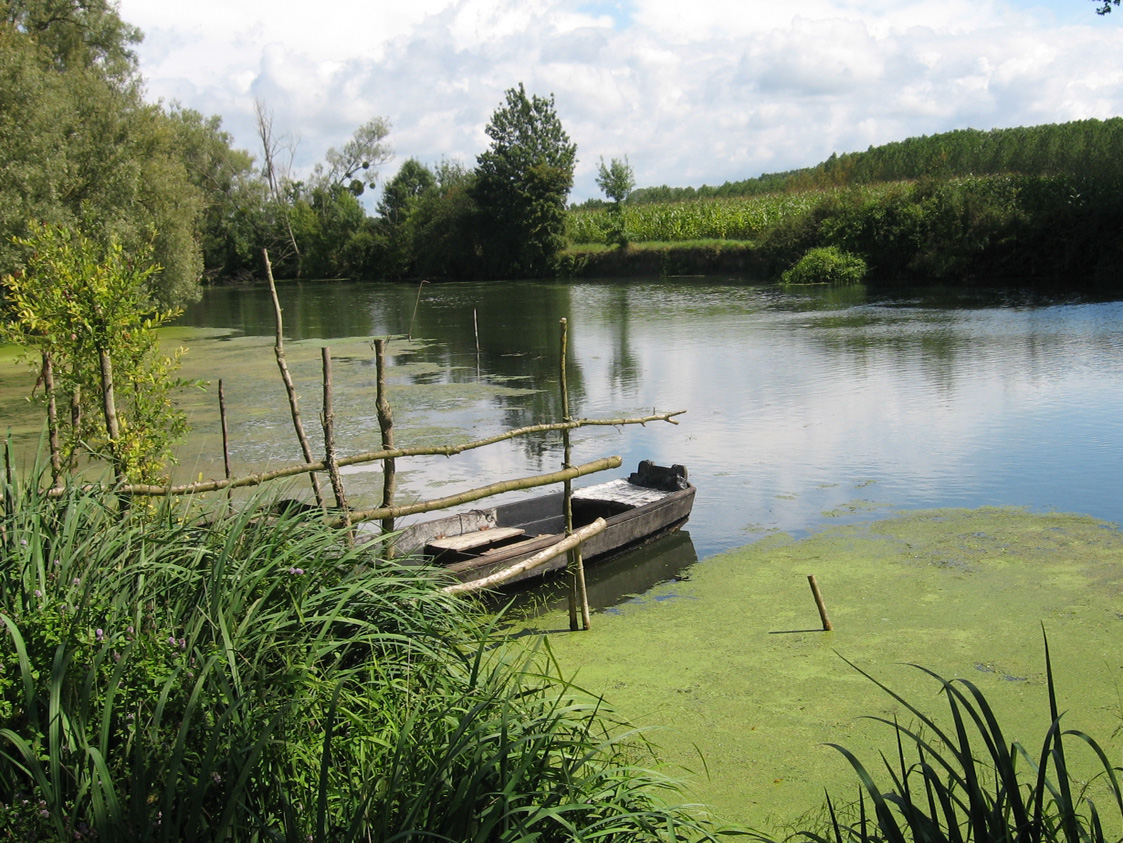
The Indre river, eternally wild! Many bodies of water are available in the Indre département, notably in the Brenne with its hundreds of ponds. Further south in the département are the Eguzon dam lakes. The Creuse, for its part, crosses the south of the département from east to west. Among these countless bodies of water and watercourses, the Indre remains a river with a unique habitat and landscape. It is always a real pleasure to fish there, whether from the bank or in a float tube.
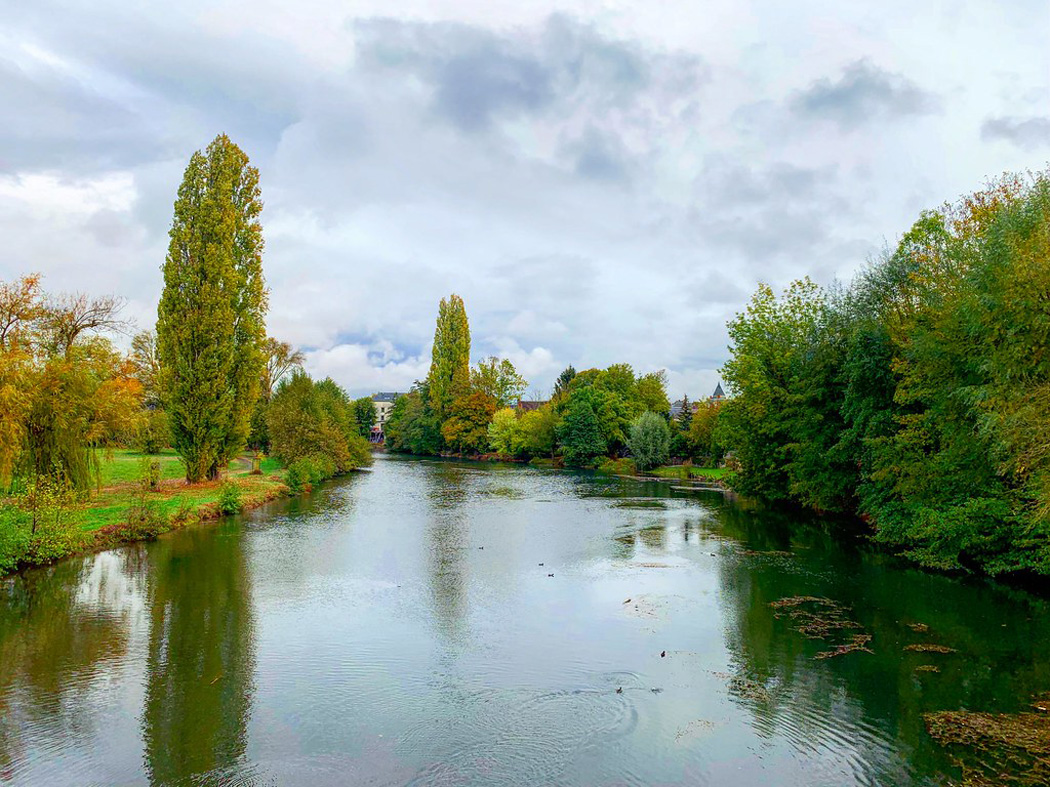
We regularly go to this river with our young trainees to tease pike, black bass and other perch and zander. Getting our young anglers to fish such varied spots is always a pleasure. It is also in these conditions, where vegetation is abundant, that our young apprentices make progress. The stretch we visit runs from Villedieu to Châtillon-sur-Indre
Technical characteristics
Type of water: River.
Fishing category: 2nd category, private, reciprocity with the Intra-departmental Fishing Club and E.H.G.O.
Location: Centre region, départements of Indre (36) and Indre-et-Loire (37)
Stretch: from Villedieu-sur-Indre (36) to Châtillon-sur-Indre (36).
Length: 60 km
Fish population: Zander, perch, pike, black bass
Suitable techniques: Twitched deadbait, float, all types of lure fishing.
Description of the Indre river
The Indre, a superb wild and natural river with varied profiles, offers many spots all along its course to hunt your favourite fish. Weed beds, reed beds, water lilies and dead wood hold a dense population of predators (pike, zander and perch). With an average width of about 30 metres, the deepest spots range in depth from 0.50 metre to 5 metres. The river is dotted with many mills and weirs, which divide its profile into as many suitable sectors.
Because it is classified as second-category private water, fishing pressure there is rather low, and as a result an interesting population of predators is well present. To reach the best spots, the ideal is to have a boat.
And if you want to take the full measure of the lush, wild vegetation, set off on an adventure in a float tube, which remains an excellent tool for exploring this river. Very nice fishing can also be had from the bank, for those willing to make a considerable walking effort. Some sectors are quite far from road access. Access is complicated, especially during periods of heavy rain and damp, which tend to make the ground very heavy
Strong potential for pike fishing
However, if you have the chance to explore this watercourse, favour summer, in hot weather. Cast your lures on all the oxygenated areas and the current seams, where predators come to enjoy a bit of coolness out of the sun. The outlets of weirs should also be explored first. With a small float weighted at 6 g, or lightly weighted twitched deadbait rigs, you can get many fish to react and make some magnificent bags. The spring season from the opening to 15 June, and autumn until 15 November, are also excellent times to hunt your favourite fish on this stretch.
Some areas, around Buzançais, Palluau and Saint-Genou, are good for pike, which, tucked under the water lilies and other reed beds, cannot resist a swimming lure, spinnerbait, or a big shad presented on a shallow rig, placed carefully and presented properly. In these conditions it is not unusual to catch 10 fish in the day, even if 80% of the catches do not exceed 55-60 cm. Nevertheless, a few specimens of 80 cm to 1 metre are regularly caught there.
Further downstream, around Châtillon-sur-Indre, a few areas are very good for zander. Find the deep spots, the current zones and the slack water at the exits of the meanders, and I assure you of a pleasant result.